
RPA
Remotely Piloted Aircraft
RPA is the formal term used by the Air Force and international aviation authorities for unmanned aircraft flown by a pilot from a ground or remote station: the long-endurance, satellite-linked ISR and strike class. These are mature, fielded fleets with decades of service ahead of them, and they need two things at once: new-production parts for aircraft coming off the line, and print-on-demand spares for the fleet already flying.
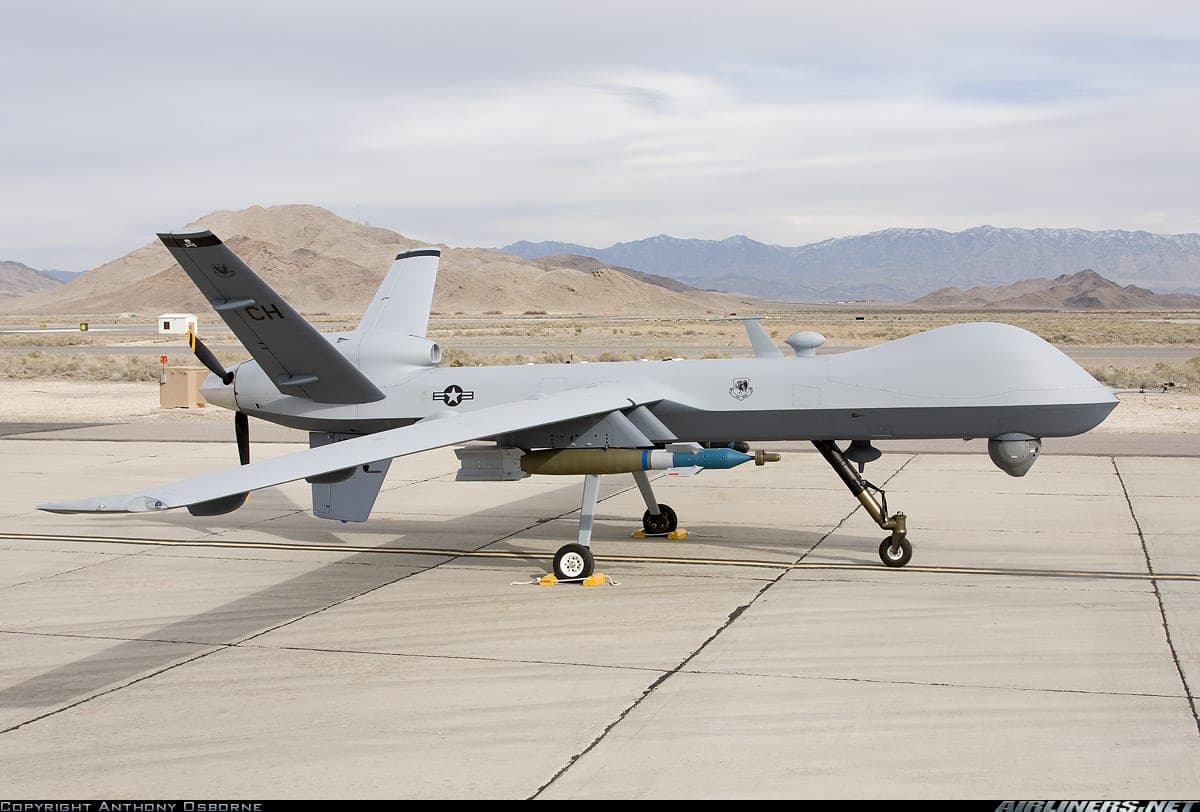
Remotely piloted aircraft occupy the high end of the UAS spectrum: Group 4 and Group 5 platforms with wingspans measured in tens of feet, endurance measured in tens of hours, and sensor and communications fits that grow with every block upgrade. Unlike newer autonomous classes, an RPA keeps a rated pilot in the loop for every flight, connected through line-of-sight and satellite links that shape the entire airframe.
These fleets are mature, so RPA support is as much a sustainment story as a production story. Original suppliers exit, tooling ages out, and low-volume spares become unavailable or unaffordable. Our reverse engineering and print-on-demand model addresses exactly this: we laser scan the legacy part, rebuild the model, qualify the material, and print replacements as needed, eliminating warehouse inventory and responding to aircraft-on-ground events in days rather than months.
From new antenna hardware for current production to out-of-production access panels for twenty-year-old airframes, we build RPA components under AS9100D control in an ITAR-registered facility, with flame-retardant Ultem 9085 and the full aerospace polymer library behind every part.
Hardware we build for this platform.
Antenna buckets, mounting substructure, and RF-transparent covers for the most antenna-dense aircraft in the unmanned fleet.
Rear fuel floors, compartment liners, and closeouts for long-endurance aircraft whose dominant internal volume is fuel.
NACA ducts and adaptors that retrofit cooling capacity into bays designed decades before today's electronics loads.
Reverse-engineered, laser-scanned replacements for out-of-production panels, covers, and housings, delivered on AOG timelines.
Where additive earns its place on the airframe.
Electronics and RF
Antenna buckets
No unmanned class carries more antennas than an RPA: the dorsal SATCOM installation, line-of-sight C2, GPS, VHF and UHF, identification systems, and payload datalinks, all on one fuselage. Printed antenna buckets provide the recessed mounting cavity and substructure for each installation, with drainage paths, sealing lands, and harness routing designed into the part. Each antenna position is its own low-volume part number, which is precisely the economics additive serves best.
Antenna covers
Exposed antennas need protection that the signal can pass through. We print RF-transparent covers and small radome-type enclosures for blade and patch antennas, with materials selected for transparency at frequency, UV resistance, and rain erosion over thousands of flight hours.
RF shielding components
An RPA fuselage packs EO/IR turrets, radar, and signals intelligence payloads alongside flight-critical avionics. Printed RF shielding components in ESD-safe materials isolate payload noise from flight systems and protect sensitive receivers, keeping upgraded sensor fits from interfering with the aircraft that carries them.
Structural and Fuel Systems
Rear fuel floor
Endurance is the RPA's defining trait, and endurance is fuel. Fuel is the dominant internal volume on these aircraft, and the compartments that hold it need floors, liners, and closeouts that resist fuel exposure and meet flammability requirements. We build sealed rear fuel floor components in flame-retardant Ultem 9085, which meets FAR 25.853, with bonding and sealing completed in-house.
Coverings and Fairings
Fastener covers
On a twenty-plus-hour endurance aircraft, parasitic drag is fuel, and fuel is loiter time on station. Small printed aerodynamic cleanups, starting with fastener covers over exposed hardware, buy back mission time at almost no weight or cost.
Forward lower coverings
The forward underside of an RPA is crowded: sensor turret wiring, plumbing, and landing gear all live there. Forward lower coverings protect these systems from debris and ground handling through years of high-tempo operations.
Right-hand side panels
Avionics access panels and equipment bay covers are steady consumables across a fleet's life. We produce them two ways: to current drawings for aircraft in production, and by reverse engineering for legacy airframes whose original panels are no longer supported. Laser scan, rebuild, qualify, and print on demand.
Ducting
NACA ducts and duct adaptors
Electronics loads have grown with every RPA block upgrade, while airframe cooling provisions were fixed when the aircraft was designed. Printed NACA ducts and adaptors retrofit cooling air into avionics and payload bays laid out decades ago, fitting new duct runs through spaces no standard duct was ever made for.
Motor and Filtration
Actuator and subsystem motor hardware
Control surfaces, payload turrets, and fuel and generator systems all run on motors that need housings, covers, and ingress protection, particularly for aircraft operating from dusty forward strips. For smaller electrically propelled RPAs in Groups 2 and 3, the full electric propulsion story applies: motor components and coil cover filters are covered in depth on our AAV Drones page.
The capabilities behind your program.
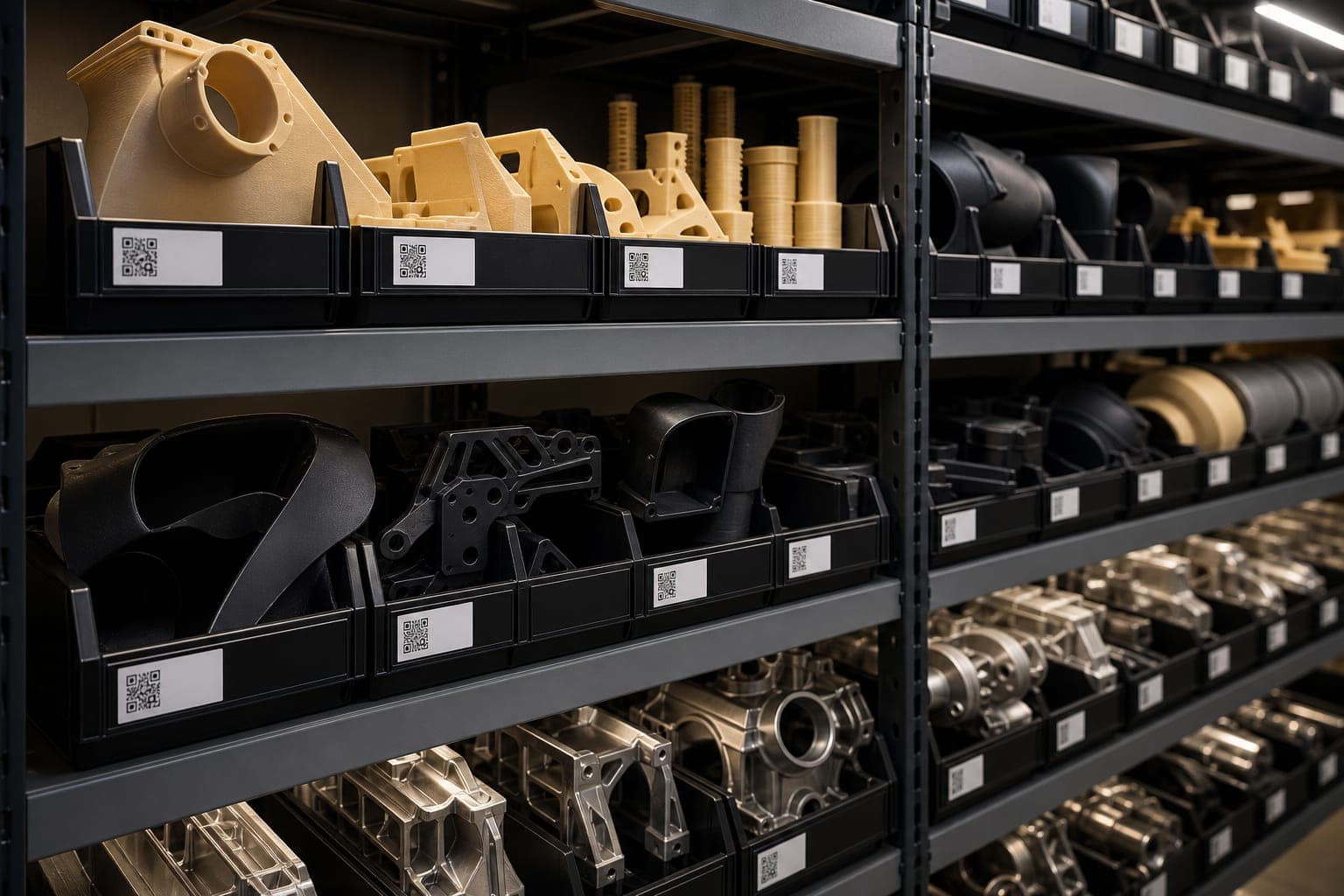
Sustain legacy and obsolete parts: scan, model, qualify, and 3D print direct replacements with full AS9100D documentation.
Explore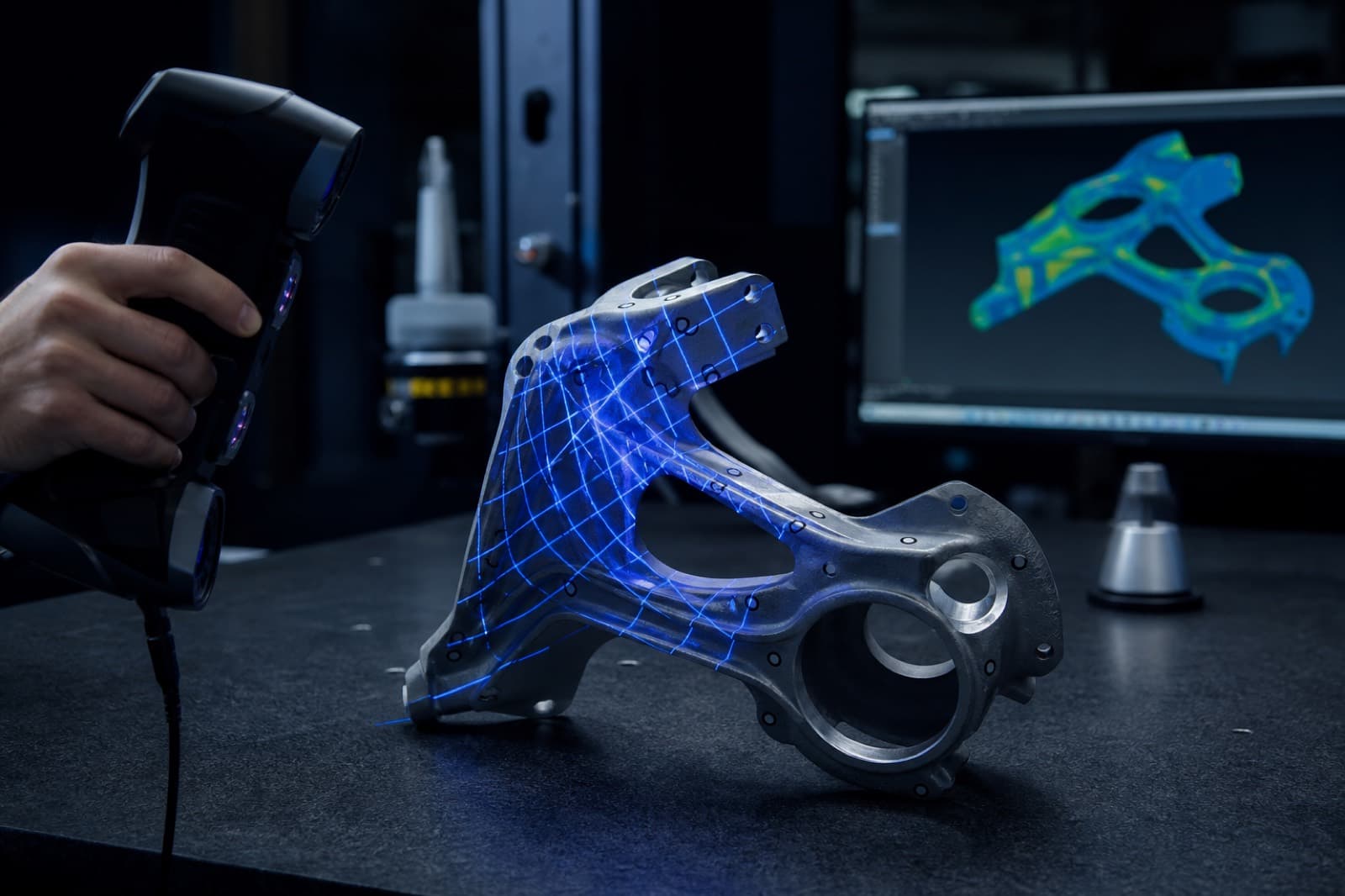
Structured-light and laser scanning for first-article inspection and reverse engineering.
Explore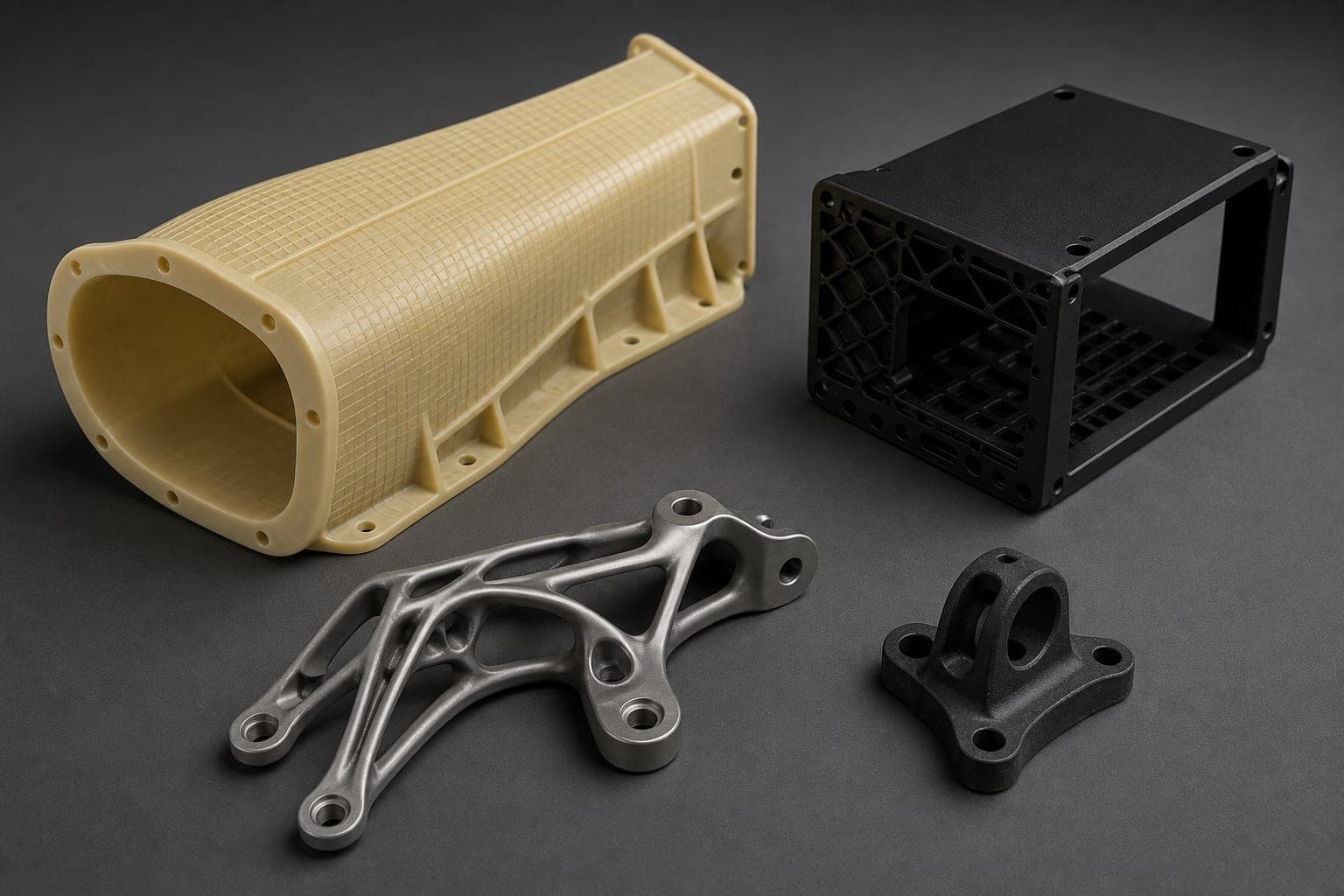
Pilot, bridge, and low-volume production, plus end-of-life replacement parts, printed on demand.
ExploreValidated aerospace-grade materials.
The aerospace cabin standard: FAR 25.853 / OSU 65-65 compliant.
Carbon-nanotube reinforced PEKK with intrinsic ESD performance, engineered for mission-critical electronics.
PEKK-based thermoplastic for avionics, low-outgassing space hardware, and high-chemical-resistance applications.
Other platform classes we serve.
Electric and hybrid-electric aircraft that fly the mission with onboard autonomy: cargo, resupply, heavy-lift, and persistent ISR.
Jet-powered, semi-autonomous uncrewed fighters teaming with crewed aircraft, built for affordable mass.
Group 4 and 5 aircraft that cruise at medium altitude for a day or more: persistent ISR, strike, and communications relay.
Low-cost uncrewed aircraft built in large numbers on a common core, with swappable wings, propulsion, and payloads.
Lightweight structures and payload housings for U.S. military UAS Group 2–5 platforms.
Building new aircraft or keeping a fleet flying?
Let’s build hardware.
Send us your drawings, your legacy part, or your problem. We quote rapidly, and we have built our shop around keeping unmanned aircraft in the air.